Use a simple prompt structure
A practical structure is subject + setting + action + camera + visual style + constraints. You do not need every field for every shot. The goal is to remove ambiguity, not to make the prompt as long as possible.
Keep the subject and its action close together. Use concrete verbs such as “turns,” “walks,” “opens” or “tilts.” Add light and texture after the viewer can understand what the scene is doing.
Product video prompt
This direction separates product stability from camera movement. Inspect the label and bottle shape in every result; the prompt is guidance rather than a guarantee.
A clear glass perfume bottle on a moss-covered rock in a quiet forest. The camera makes one slow clockwise orbit. Morning light catches the glass, and a few droplets roll down its surface. The bottle stays centered and its shape stays unchanged. Natural colors, realistic textures, one continuous shot.
Try this prompt
Portrait and expression prompt
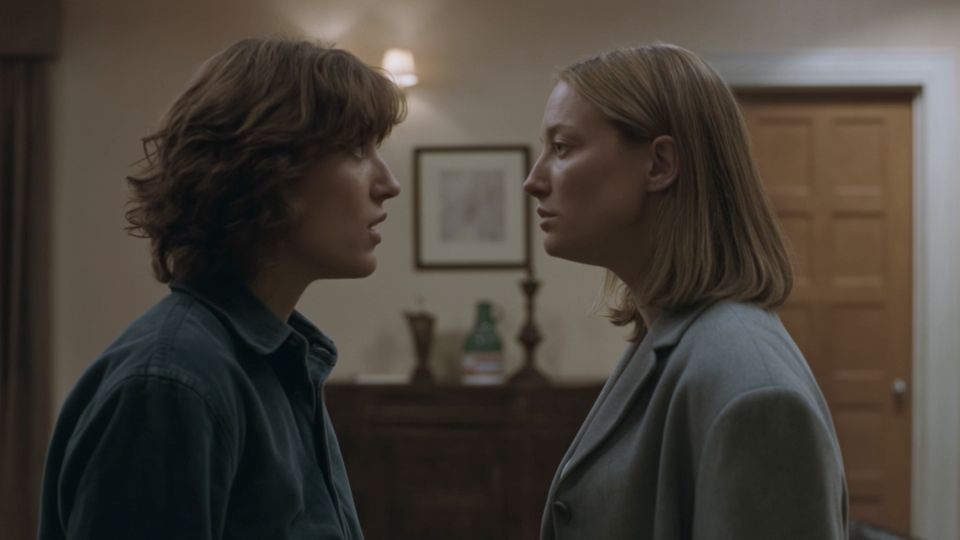
Small motion makes it easier to notice whether a face remains consistent. Begin with one change in expression, a clear head movement and a steady camera.
A woman beside a window turns toward a friend, pauses, then smiles softly. Use a steady medium close-up, natural skin texture and soft afternoon light. Her shoulders move subtly with her breath. Keep the background still and avoid sudden camera movement.
Try this promptAction and camera prompt
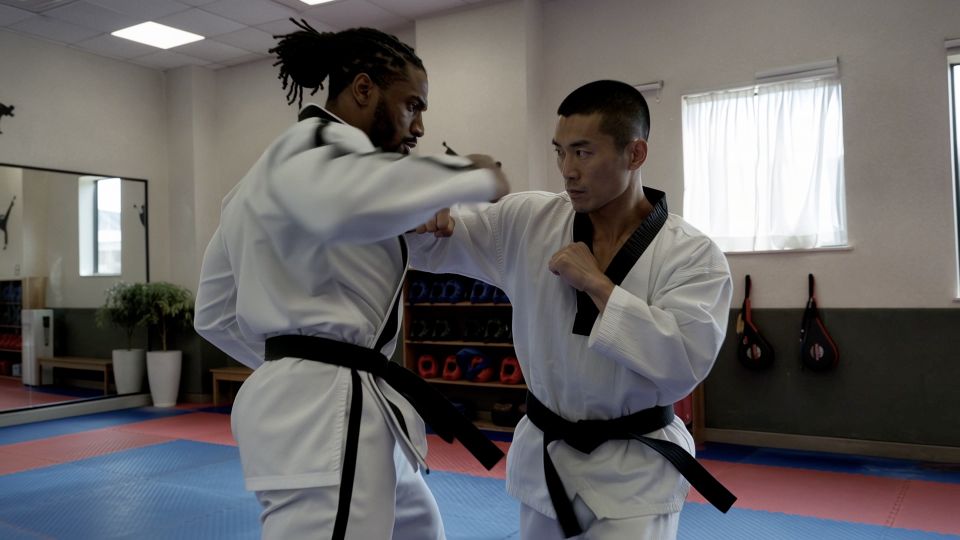
Give the action and camera compatible jobs. A wide shot can establish positions before the camera moves closer. Avoid combining an orbit, a rapid zoom and several cuts in the first test.
Two martial artists exchange one controlled sequence in a sunlit training hall. Start in a wide shot, then move the camera slowly closer while keeping both people in frame. Clear body movement, grounded footwork, natural light. One continuous shot without cuts.
Try this promptAdapt the prompt for an image
An image already describes the appearance and composition. Replace a long subject description with a motion instruction and a small number of preservation constraints. For example: keep the face, outfit and light unchanged while the subject turns slightly toward the camera.
Do not request movement that conflicts with the starting frame. A tightly cropped portrait has little room for a full-body action. Prepare a wider image when the action requires more space.
Fix common prompt problems
| Problem | A useful revision |
|---|---|
| Too many things happen | Reduce the scene to one main action, then add a second beat only if needed. |
| The camera changes unexpectedly | Specify one continuous shot and one simple movement. |
| A product changes shape | Use a clearer reference, reduce motion, and explicitly prioritize the product’s geometry. |
| A character looks different | Use consistent references and inspect transitions, turns and occlusions. |
| Dialogue feels wrong | Separate the speaker, exact line and background ambience; review the audio after generation. |
These are starting points, not benchmarked recipes. Results depend on the actual model, inputs, settings and individual generation.
Model specifications: Kling AI’s official 4.0 release notes. Reviewed October 1, 2026. Model specifications and access on Kling4.tv are separate.
 Learning center